Council of 325
A gathering that shaped Christian confession
Emperor Constantine convened bishops at Nicaea in 325 amid disputes about the relationship of the Son to the Father and the unity of the church. The council produced the first form of the creed associated with Nicaea and addressed other matters of church order.
The creed commonly recited today reflects later development as well as Nicaea. A responsible visit does not collapse the council of 325, the council of Constantinople in 381 and subsequent reception into a single moment.
Council of 787
A second council and the question of sacred images
The Seventh Ecumenical Council met at Nicaea in 787 during the icon controversy. Hagia Sophia in the center of İznik is traditionally and historically associated with this later council.
The building and city also carry Byzantine, Seljuk and Ottoman phases. Christian history is central to İznik, but it is not the only history visible within the walls.
Visiting today
Walls, streets, monuments and a lake-side archaeological question
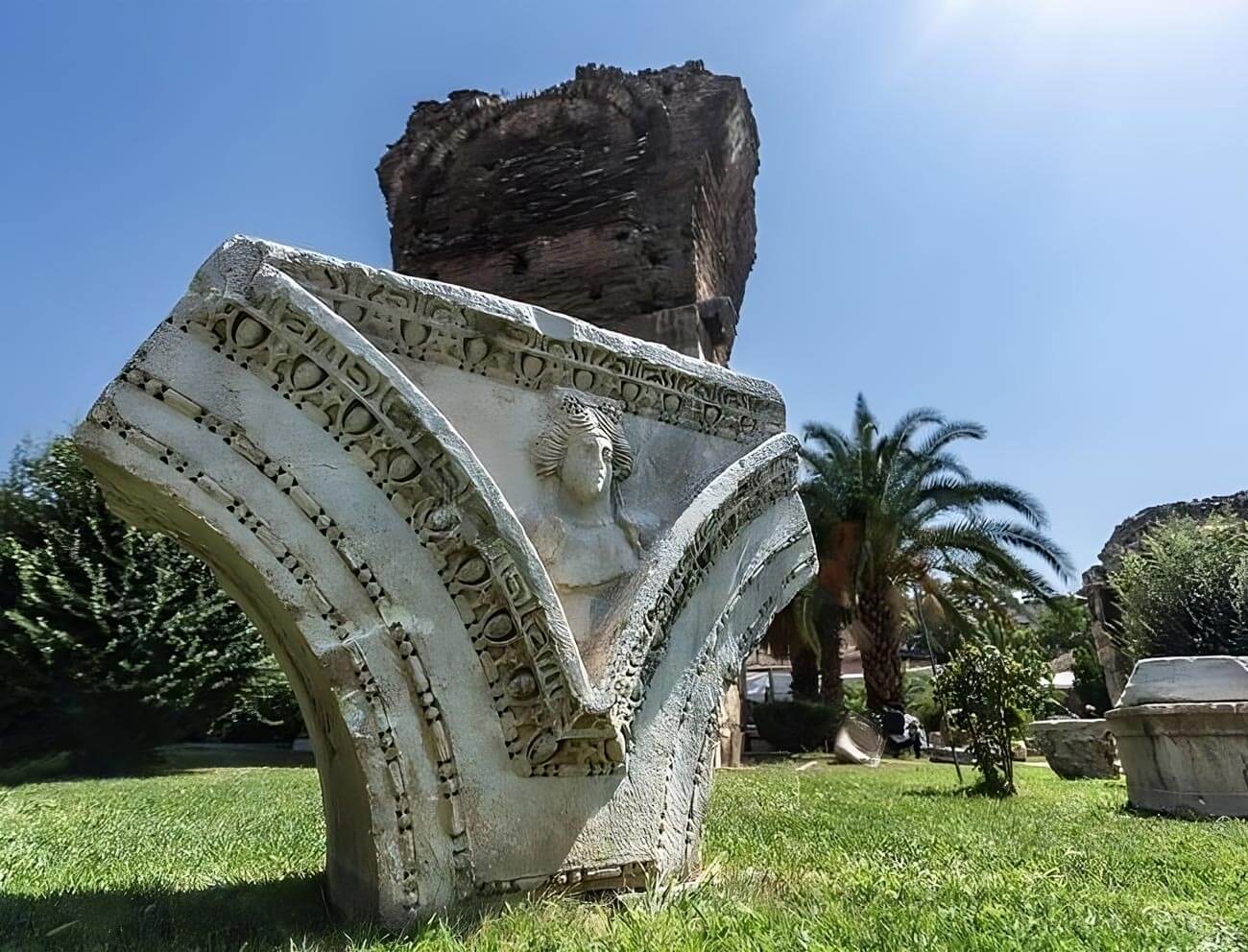
İznik preserves a legible walled-city plan, monumental gates and layers of Roman, Byzantine and Ottoman heritage. The lake basilica discovered in modern research adds an important early Christian site to the visit.
Proposals and guiding should follow current access conditions while avoiding the claim that the lake basilica has conclusively been identified as the meeting place of the council of 325.
- Council of 325
- Council of 787
- Hagia Sophia and the walled city
- Lake basilica without overstated identification
Sources & further reading