
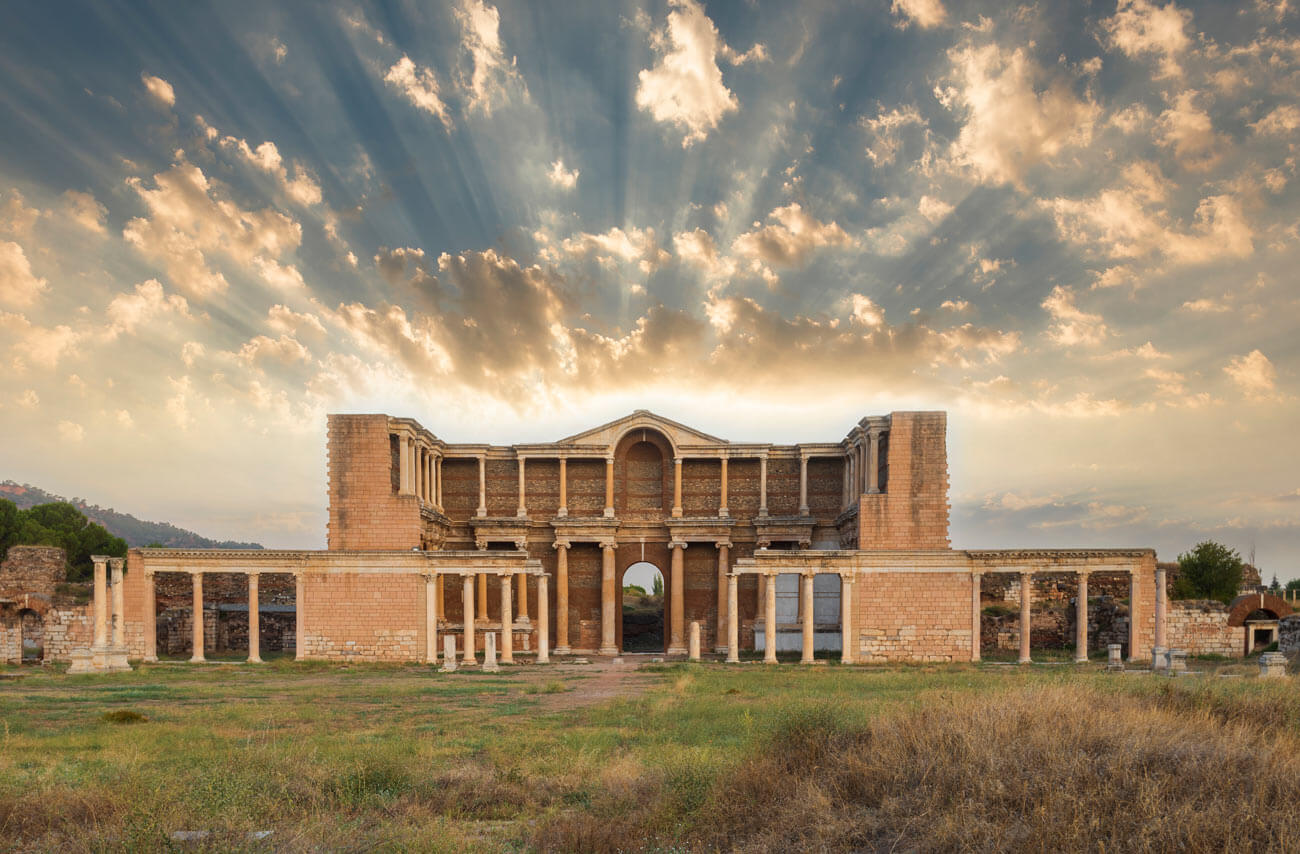
At a Biblical site, several sentences can sound equally authoritative: ‘Acts says,’ ‘the church remembers,’ and ‘archaeologists found.’ They are not the same kind of statement. Each may be meaningful, but each answers a different question.
The purpose of distinguishing evidence is not to drain a journey of wonder. It is to prevent devotion from depending on a claim that a site, text or excavation cannot carry.
Scripture establishes the textual world
A responsible page gives the passage and states what it actually says before adding context. Revelation names John on Patmos and seven churches in Asia. It does not explicitly resolve every later question about authorship or biography.
References are often more useful than long quotations. They allow readers to consult their preferred translation and keep the passage in context.
Early Christian tradition preserves memory
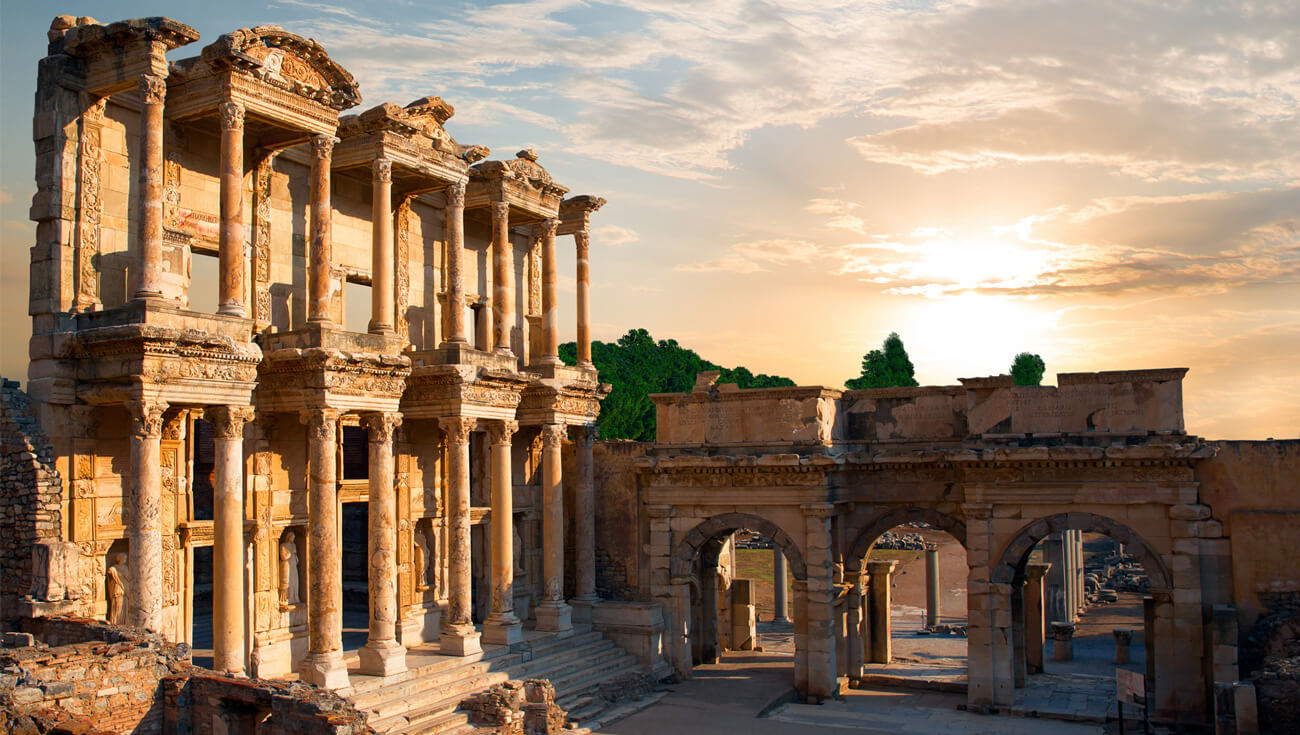
Ancient writers associated John with Asia and Ephesus, remembered Polycarp at Smyrna and transmitted traditions about Philip and Papias at Hierapolis. These witnesses are historical sources that must be named, dated and read by genre.
A tradition may be early, widespread and spiritually significant without being identical to archaeological proof. Saying ‘tradition holds’ is not evasive; it is accurate.
Archaeology studies material life
Excavation can recover streets, homes, inscriptions, public buildings, water systems, burials and later churches. It can change our understanding as new evidence appears.
Material evidence rarely identifies the exact room used by a New Testament community or the exact stone touched by an apostle. The absence of that certainty should be stated plainly.
Interpretation is the bridge—and should be labeled
Historians, archaeologists and biblical scholars propose connections between texts and places. Guides also develop field reflections after years of walking the sites. These can be illuminating when their status is clear.
The editorial rule is simple: do not present a plausible interpretation as an excavated fact, a later tradition as a verse, or one guide’s reflection as scholarly consensus.
For reflectionTrust grows when a guide can say not only what is known, but how it is known—and where responsible questions remain open.