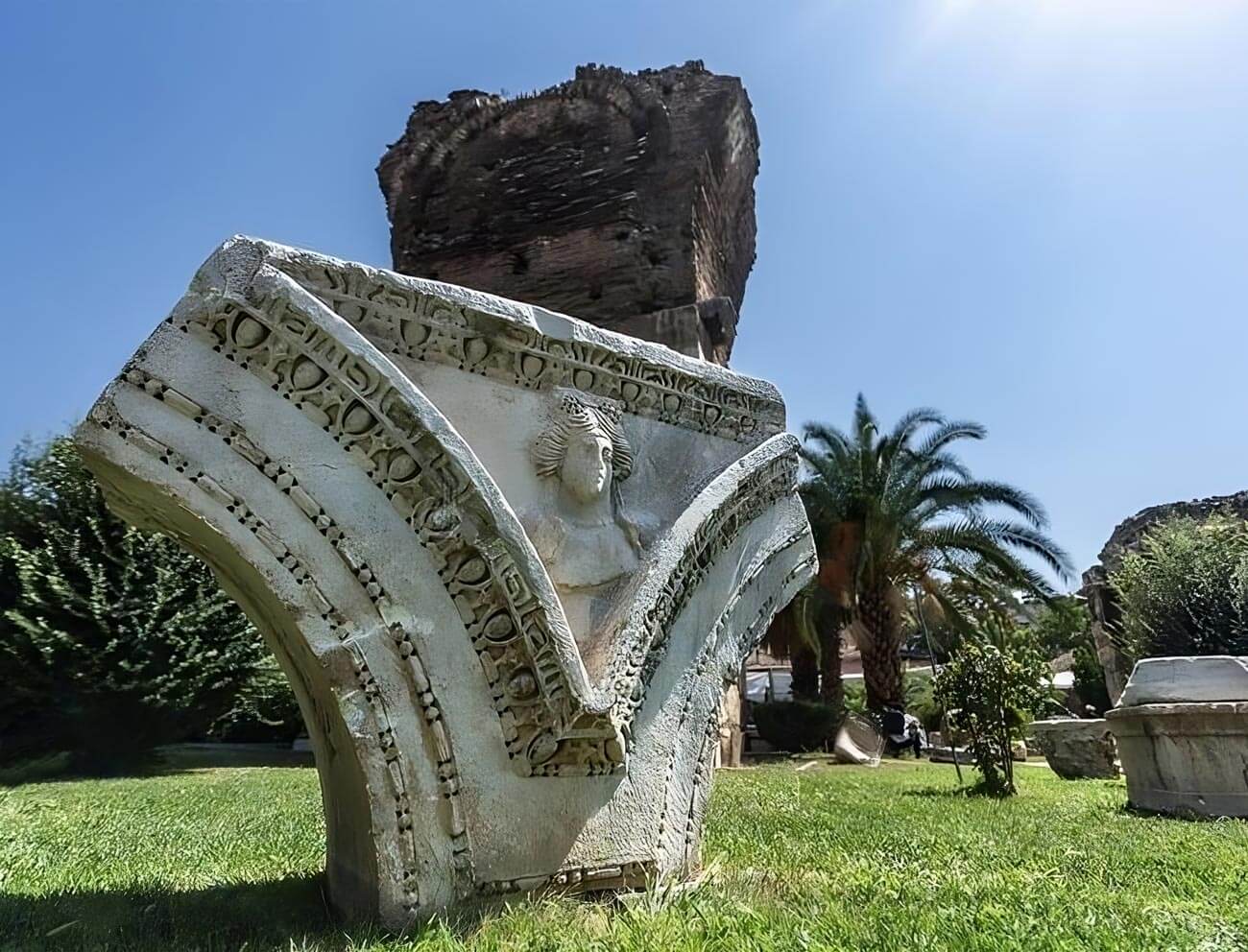
Travel language can create a misleading picture before a visitor reaches Türkiye. ‘Visit the Seven Churches’ may sound like a route between seven surviving sanctuaries. Revelation 2–3 gives us something more demanding and more human: seven messages addressed to Christian communities living inside seven cities of the Roman province of Asia.
Those communities gathered somewhere, but the text does not identify seven church buildings that archaeologists can point out today. Much of the monumental Christian architecture now visible belongs to later centuries. The distinction does not make the journey less spiritual. It brings the letters back to people who worked, worshiped, endured pressure and made choices within complex urban worlds.
The Greek word points first to an assembly
The word commonly translated ‘church’ in the New Testament refers to an assembly or congregation. In Revelation, the messages are sent to the churches in Ephesus, Smyrna, Pergamum, Thyatira, Sardis, Philadelphia and Laodicea. The names identify the communities by their cities.
This matters because a congregation can be praised, warned, called to repent or promised hope. A stone building cannot lose its first love, remain faithful under pressure or become lukewarm. The letters address communal life.
Why later church ruins still matter
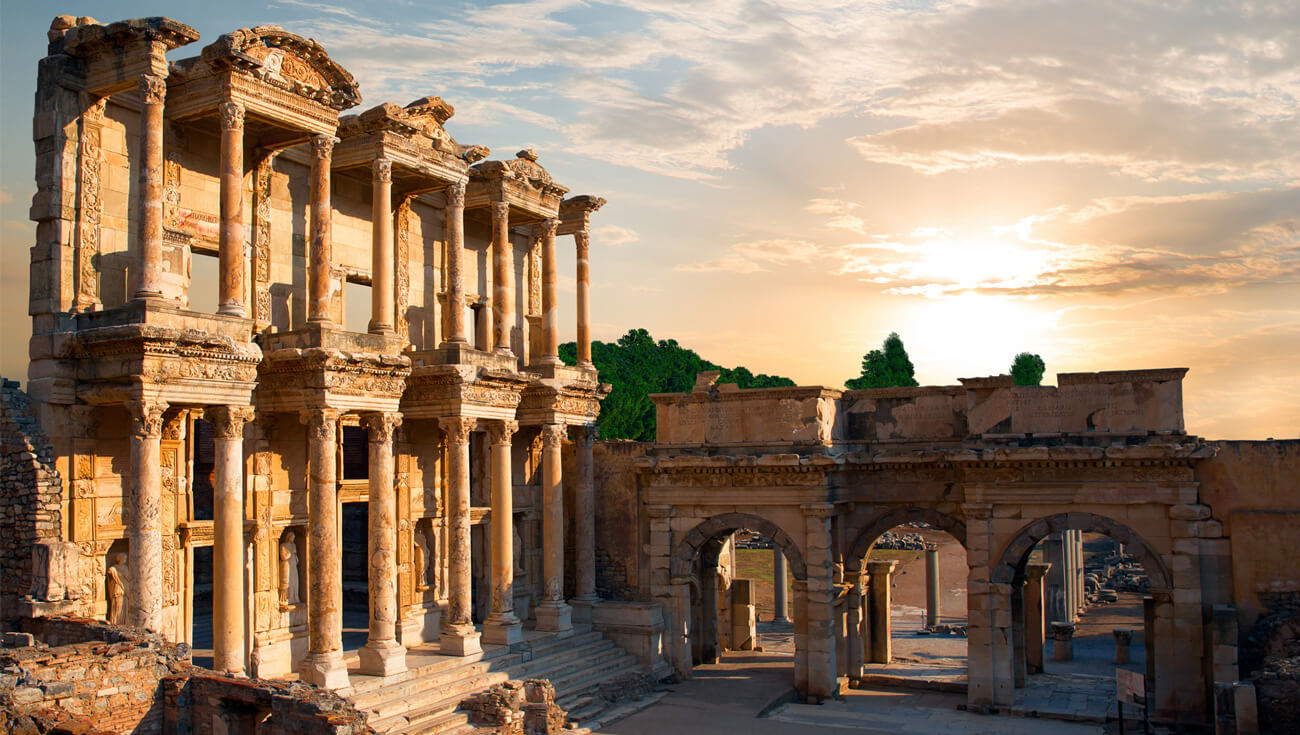
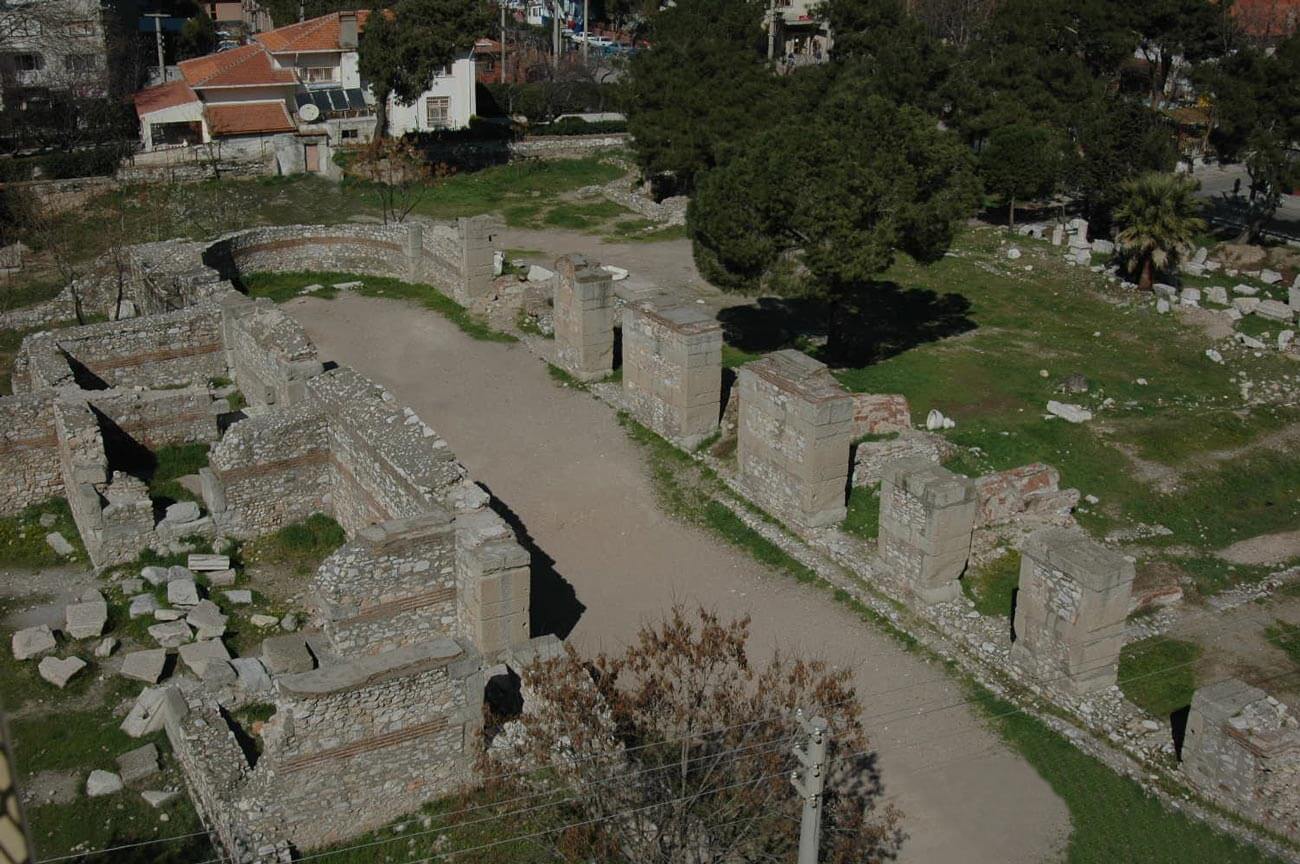
At Philadelphia, large brick piers preserve part of a later church. At Laodicea and Sardis, Christian buildings reveal the public growth of Christianity in subsequent centuries. Near Ephesus, the Basilica of St. John embodies long pilgrimage memory.
These monuments show continuity, change and the material expression of faith. They deserve careful attention precisely because they belong to identifiable later periods. Calling them first-century churches erases the history that makes them important.
Archaeology reconstructs a city, not a congregation’s heart
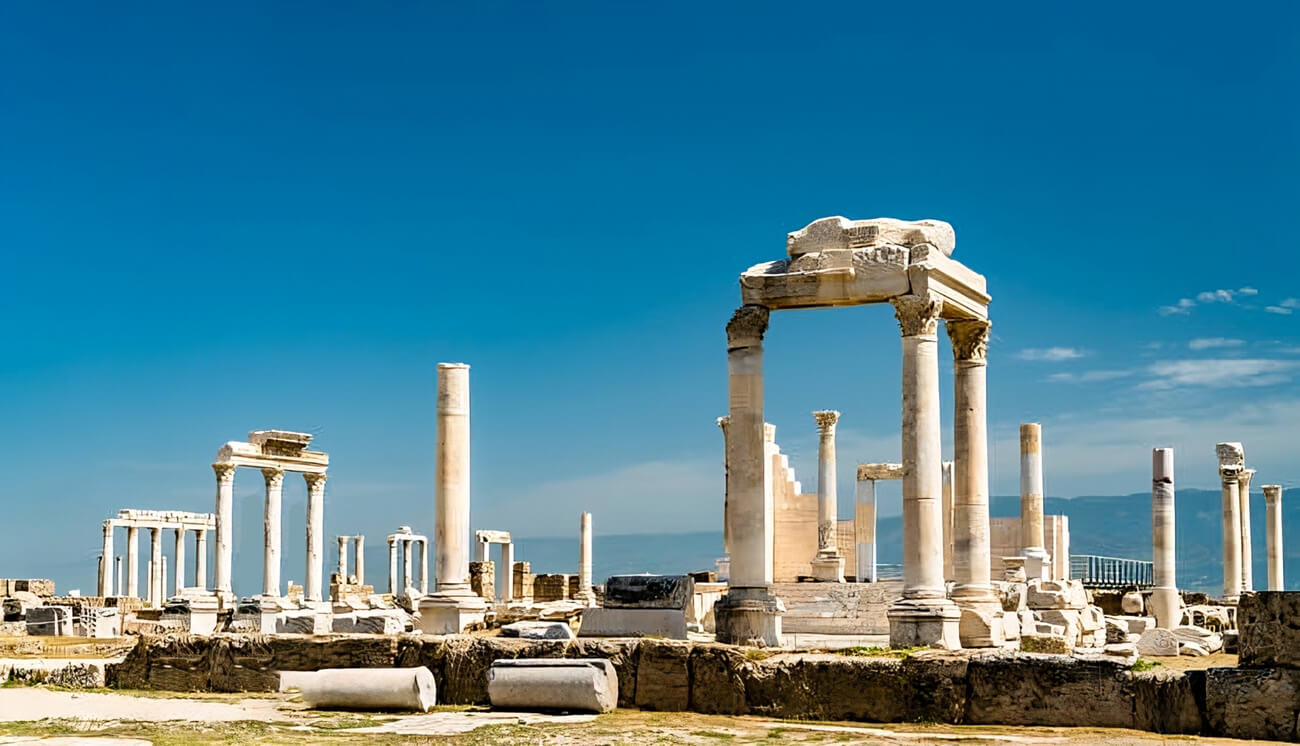
Streets, houses, inscriptions, workshops, temples and water systems can reveal how a city worked. They help readers imagine the pressures of status, trade, civic religion and imperial presence.
Archaeology cannot excavate devotion, compromise or perseverance. It can illuminate the environment of a letter, but it does not prove the spiritual diagnosis within that letter. Responsible interpretation honors both kinds of knowledge by refusing to confuse them.
Travel with three questions
At every city, ask what the letter says, what is known about the city at the relevant time and what the visible remains actually date to. These questions keep Scripture, historical reconstruction and later Christian memory in a productive relationship.
A guide can then explain why a modest site such as Thyatira may hold a rich conversation, while an expansive city such as Ephesus requires discipline not to let visual grandeur dominate the text.
For reflectionThe seven letters become more personal when we stop searching for seven buildings and begin listening for seven communities trying to live faithfully in their own cities.