A connected province
Roads and cities carried people, letters and arguments
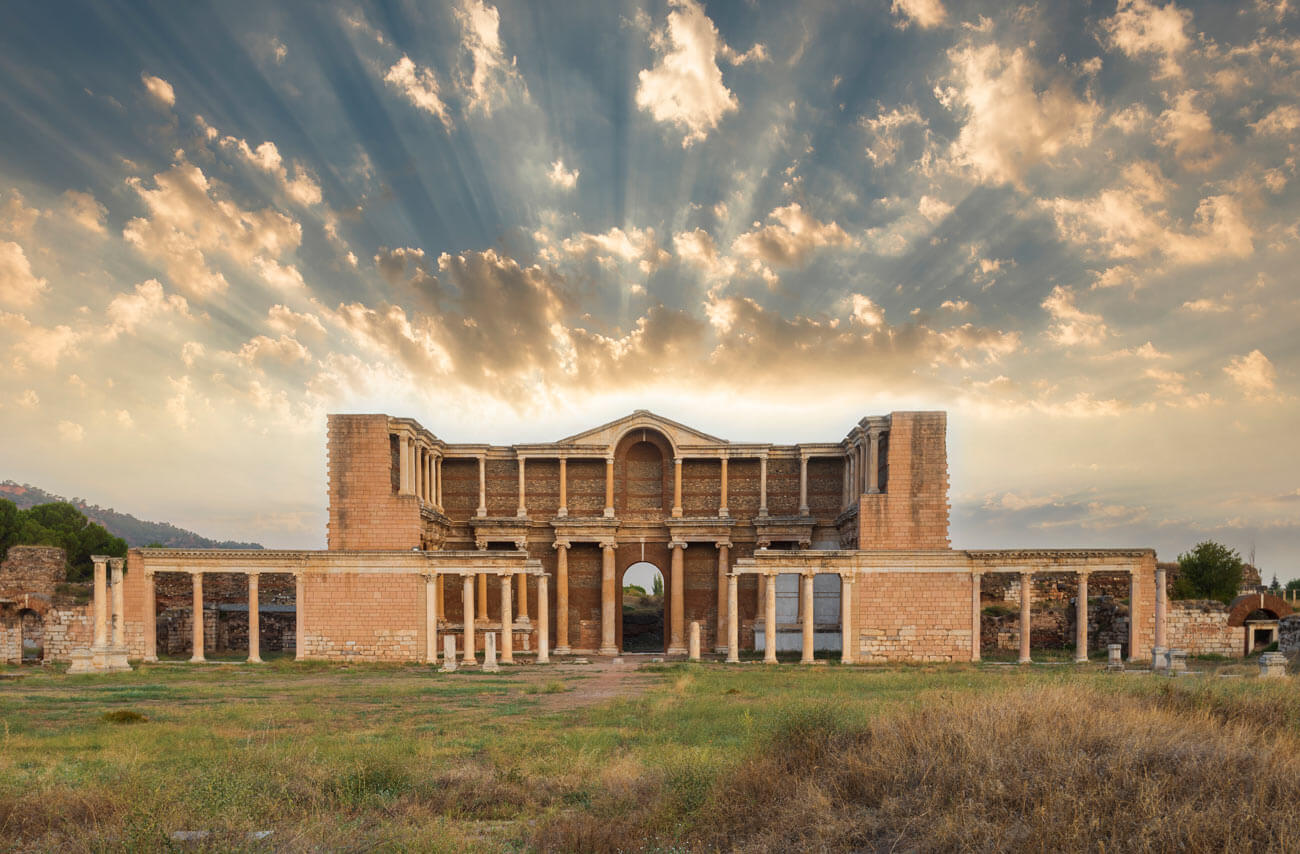
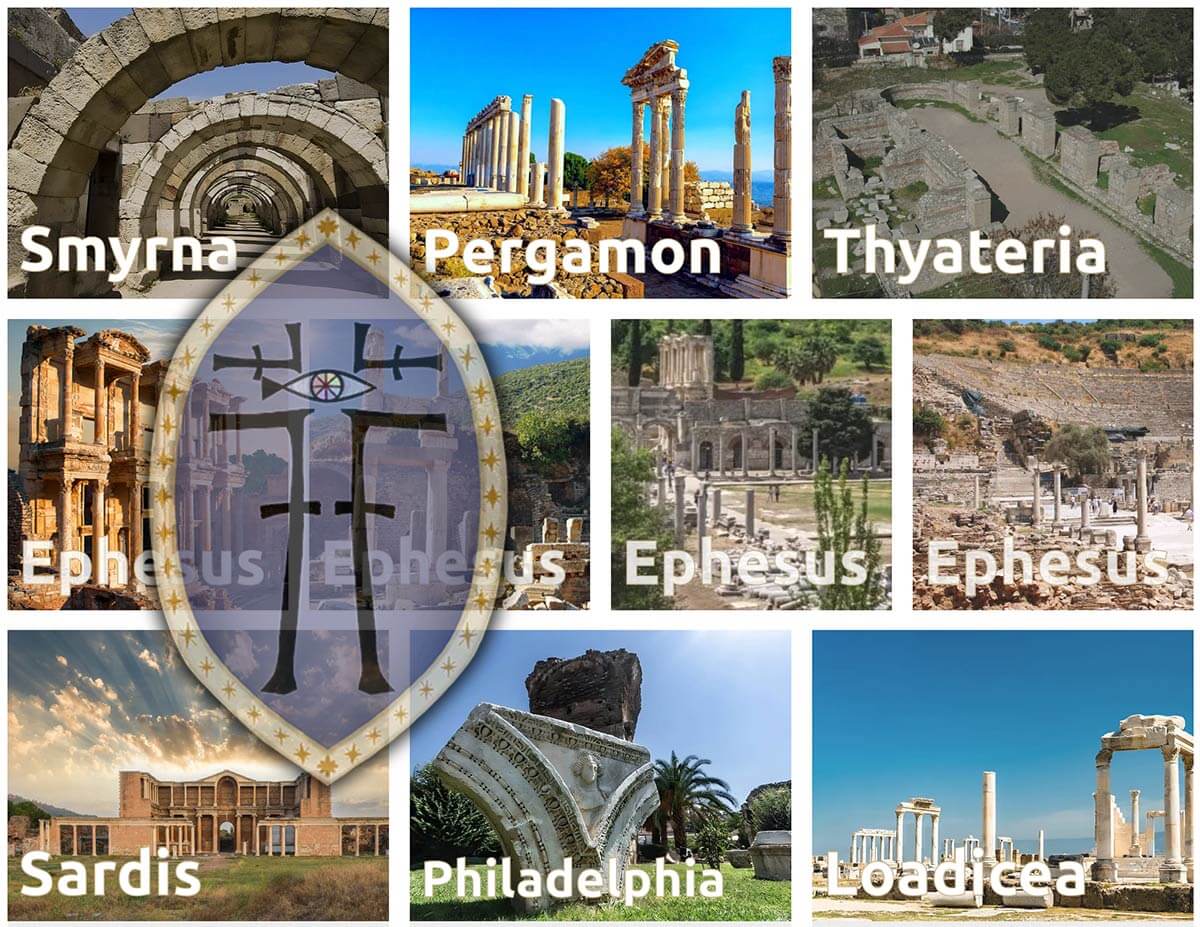
The Roman province of Asia contained major ports, inland market towns and administrative centers. Ephesus connected Aegean shipping with roads into Anatolia; valleys linked Smyrna, Sardis, Philadelphia and the Lycus region.
Christian teaching moved through these existing networks. The New Testament preserves only part of the story, but its letters show communities communicating across distance and sharing coworkers.
Many voices
Paul and John are central, but never alone
Paul’s ministry, the seven letters of Revelation, traditions associated with John, the witness of Polycarp and the memory of Papias reveal different strands of early Christian life.
Women and men, household hosts, elders, artisans, travelers and unnamed believers sustained these communities. An authority site should not reduce the story to a handful of monuments or famous personalities.
- New Testament communities
- Second-century correspondence
- Martyrdom memory
- Developing pilgrimage
- Archaeological evidence for urban life
Material evidence
Archaeology explains context better than certainty
Inscriptions, buildings, roads, water systems and domestic spaces can reveal how cities worked. Later churches show the growth and public presence of Christianity in subsequent centuries.
A later basilica is not the congregation addressed in Revelation. An excavated hall is not Paul’s teaching room merely because it is convenient. These limits protect both historical integrity and spiritual seriousness.
Sources & further reading