
Scripture
A synagogue address and a divided response
Acts 13 narrates Paul and Barnabas traveling inland to Antioch in Pisidia, speaking in the synagogue and addressing both Israel’s story and the announcement of Jesus. The narrative describes interest, opposition and a widening audience.
Acts later places the travelers back through the region as they strengthen communities. The text gives a theological and missionary account, not a map of every building used.
Roman setting
Colonial identity makes imperial power visible
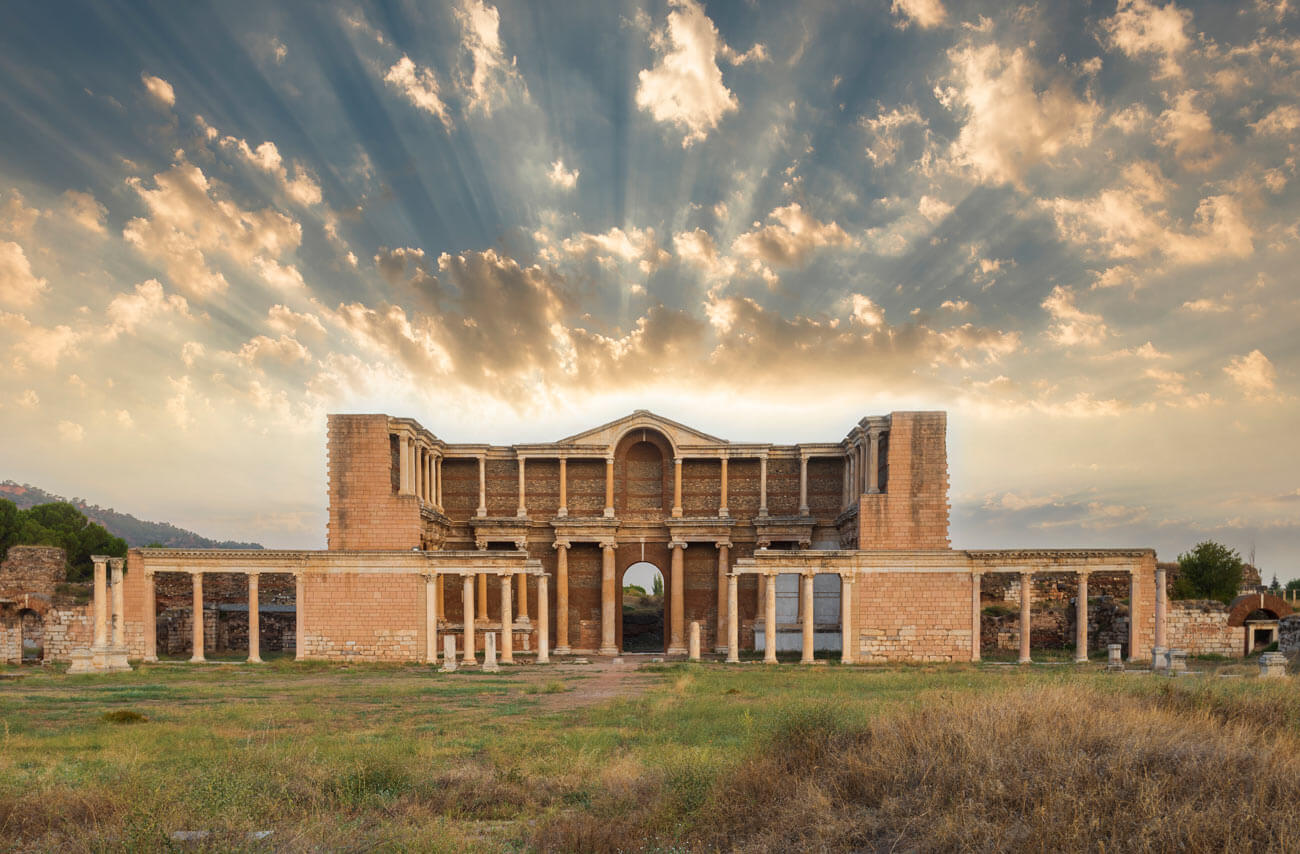
Archaeology presents Antioch as a planned city with a theater, streets, forum areas, waterworks and the sanctuary associated with Augustus. Its colonial status matters because Roman civic identity was not an abstract background to the people listening in Acts.
Later Christian churches demonstrate the city’s continuing importance after the New Testament period. They should not be labeled as buildings used by Paul simply because they stand near the Biblical landscape.
Visiting
A substantial site that deserves more than a hurried stop
The ruins spread across open and uneven terrain near modern Yalvaç. Interpretation works best when Acts 13, Roman colonial life and the later Christian city are given separate attention.
Pisidian Antioch can connect naturally with Konya, the southern Pauline route or a longer journey toward the Lycus Valley. Actual road times and site access belong in the group proposal, not in permanent website promises.
- Acts 13 in context
- Roman colonial landscape
- Later churches dated separately
- Realistic walking and transfer planning
Sources & further reading