
Begin with the text
Read each address as a complete unit
Each message names the recipient community, presents Christ in particular language, offers knowledge of the community, and moves through praise, correction, warning or promise in its own way.
A single famous phrase should not be detached from the rest of the address. Reading aloud, noting repeated words and comparing the seven messages can reveal the architecture of the whole sequence.
- Recipient community
- Christological description
- Knowledge of the community
- Praise or correction
- Call to hear
- Promise to the one who conquers
Historical setting
Local context can illuminate without controlling meaning
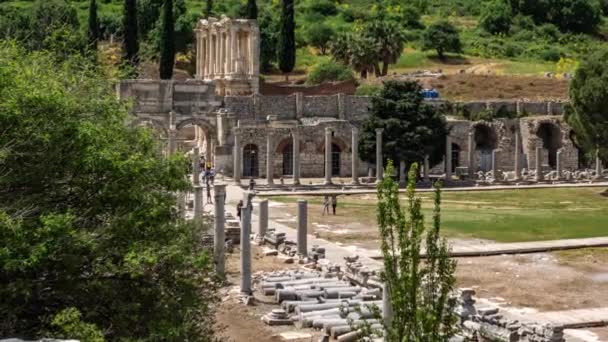
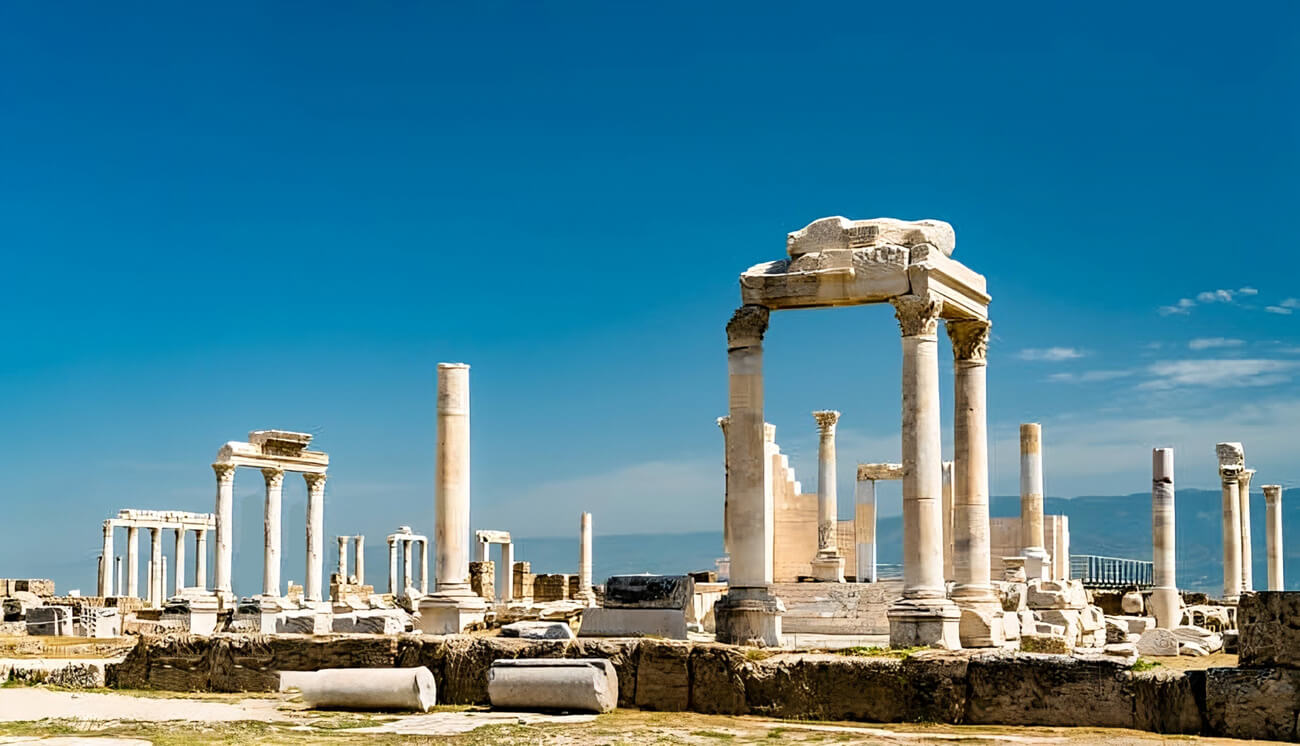
Urban wealth, imperial presence, trade, earthquakes and water systems can sharpen questions about the letters. Archaeology and ancient history help reconstruct that world.
They do not authorize every popular sermon illustration. The strongest interpretations state the evidence and show where scholarly proposals remain debated.
Interpretive humility
Christian readers do not all organize Revelation in the same way
Traditions differ on the letters’ prophetic reach, ecclesial application and relationship to the rest of Revelation. This educational site does not require one denominational framework.
It can still say something clear: these texts first addressed real Christian communities in seven named cities, and they have continued to call readers toward faithful witness, repentance and hope.
Sources & further reading