Scripture
What Revelation tells us directly
Revelation identifies its writer as John and places him on Patmos. It names seven communities in the province of Asia and begins with Ephesus. The text does not contain a sentence stating that this John wrote the Fourth Gospel or that he lived out his life in Ephesus.
The geographic and pastoral relationship to the churches is clear; the precise identity of Revelation’s John remains debated among scholars and Christian traditions.
Early Christian tradition
Why Ephesus became the center of Johannine memory
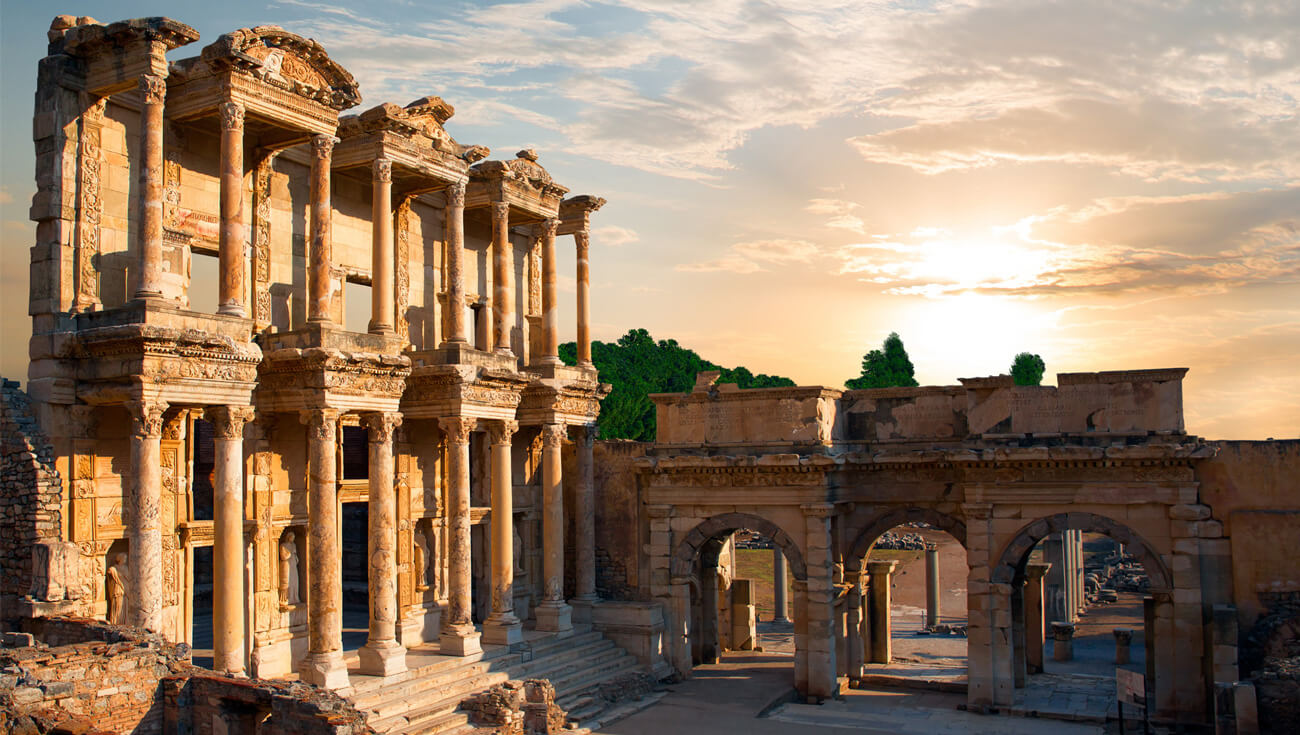
Second- and third-century Christian writers associate John with Asia and especially Ephesus. Their testimony is historically important but must be read carefully, including ancient discussion about more than one figure named John.
Later generations expressed this memory through pilgrimage and church building on Ayasuluk Hill, where the Basilica of St. John developed above the place venerated as his tomb.
Archaeology
A basilica witnesses to veneration, not authorship proof
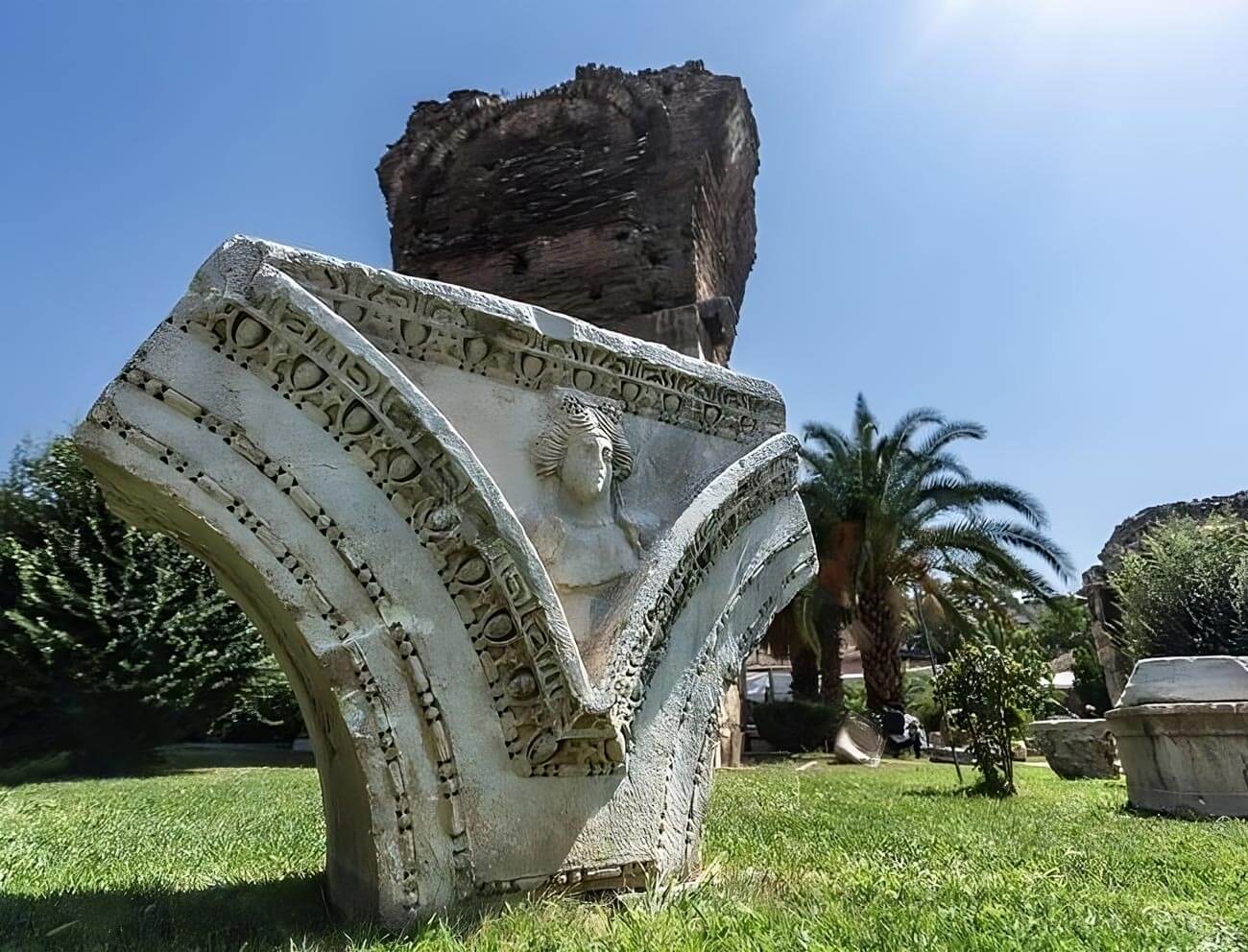
The surviving monumental basilica belongs principally to the age of Justinian in the sixth century, over earlier sacred structures. It testifies to the strength and duration of the tradition associated with John.
Archaeology can document the building, its phases and pilgrimage setting. It cannot by itself resolve the identity of Revelation’s John or prove every later claim about his life.
- Revelation’s named John
- Early testimony linking John with Asia
- Later pilgrimage tradition
- The Byzantine basilica
- Modern scholarly debate
On the journey
Let each layer speak in its own voice
Ephesus and the Basilica of St. John can be visited on the same day, but they belong to different historical settings. A guide should mark that transition rather than blending Roman Ephesus and Byzantine pilgrimage into one vague biblical moment.
For churches, the distinction can deepen reflection: memory, witness and interpretation become part of the conversation rather than obstacles to it.
Sources & further reading